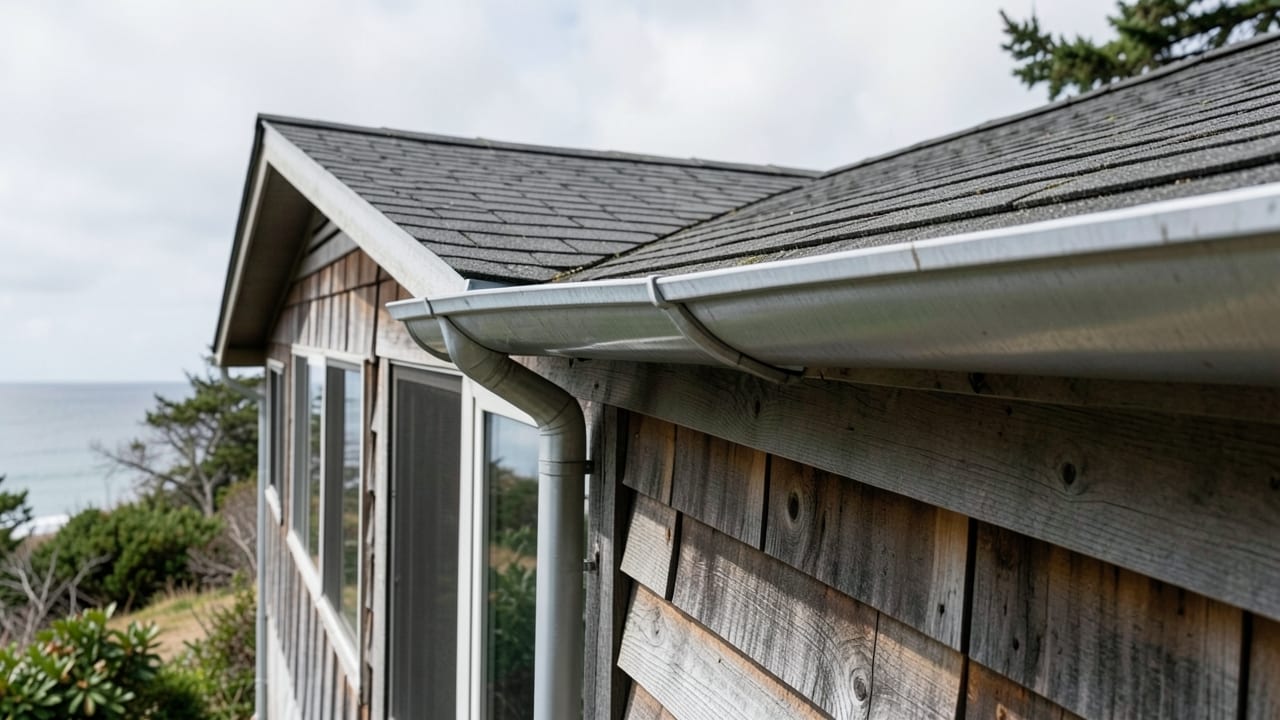
Salt Corrosion Gutter Treatment
Application of protective treatments to gutters to prevent salt-induced corrosion in coastal or high-salt areas.
Salt corrosion is a hidden threat to gutters in Martinsburg, WV, where winter road treatments and coastal proximity accelerate rust and deterioration. Specialized coatings and sealants protect aluminum and steel gutters from pitting, leaks, and structural failure—extending their lifespan while preventing costly water damage to your home’s foundation and siding. A targeted treatment after cleaning ensures long-term protection against the unique corrosion risks in this region.
When salt corrosion needs immediate treatment
Salt corrosion often starts silently, but visible signs demand action. Look for dark streaks running down siding beneath gutters—these mark overflow from clogged sections where salt-laden water has eroded the metal. A gutter pulling away from the fascia or sagging under packed debris is another red flag, as standing water accelerates corrosion in cold, wet climates like Martinsburg’s.
We also handle Gutter Brush Guard Installation and Gutter End Cap Repair for Martinsburg properties.
Bird nests, wasp hives, or even small tree seedlings sprouting from the gutter trough signal long-term neglect. These blockages trap moisture, creating the ideal conditions for salt to penetrate seams and fasteners. Ignoring these signs can turn a routine cleaning into a full gutter replacement job, as corrosion weakens structural integrity over time.
Signs Your Gutters Need Salt Corrosion Treatment
- Dark streaks or rust stains on siding directly below gutters (indicates overflow from clogged sections)
- Gutters visibly sagging or pulling away from the fascia (sign of packed debris and weakened fasteners)
- Nests, hives, or plant growth inside the trough (shows prolonged blockages and moisture buildup)
- Visible pitting or rust along seams and fasteners (salt corrosion has already compromised the metal)
- Water visibly pouring over the front edge of gutters during storms (clog or misaligned downspouts)
How Martinsburg’s climate affects gutter longevity
Martinsburg’s proximity to the Shenandoah Valley and its coastal influence means gutters face double exposure: salt from winter road treatments and the natural wear of heavy rainfall. Aluminum gutters, while resistant to rust, can still corrode along seams and fasteners when saltwater pools in troughs. Steel gutters, though stronger, are prone to pitting if not treated, leading to leaks and structural failure.
The frequency of gutter cleaning and treatment depends entirely on what’s overhead. Properties under heavy pine, oak, or maple canopies—common in areas like Hedgesville or Falling Waters—require cleaning every 4–6 months due to rapid debris buildup. Meanwhile, homes with minimal overhanging branches may only need attention once or twice a year. Salt corrosion treatment should be part of this schedule, especially after winter storms.
What’s included in a full salt corrosion treatment
A true salt corrosion treatment goes beyond a basic cleaning. It includes a thorough inspection for hidden damage, hand-removal of debris to avoid pushing clogs deeper into downspouts, and a downspout flush test to ensure water exits freely. After clearing, specialized sealants or coatings are applied to vulnerable seams, fasteners, and sections—targeting areas where saltwater has already caused pitting or rust.
Documentation is critical. Pre- and post-treatment photos of the gutter system, along with notes on hardware condition and any damage found, serve as a record for future reference. This transparency helps homeowners track the progression of corrosion and justify treatment intervals. Unlike generic cleaning services, a salt corrosion treatment is tailored to Martinsburg’s unique climate challenges.
| Service Step | What It Covers | Why It Matters |
|---|---|---|
| Roofline Walkthrough | Visual inspection for sagging, separated seams, and downspout blockages | Identifies hidden damage before cleaning begins |
| Hand Debris Removal | Manual clearing of leaves, seed pods, and grit toward downspouts | Prevents pushing debris deeper into the system |
| Downspout Flush Test | Water flow verification through each downspout | Confirms the entire system drains properly |
| Hardware Inspection | Check for loose brackets, pulled spikes, and separating end caps | Catches failing components before they cause leaks |
| Salt Corrosion Sealant | Application of protective coatings to seams and fasteners | Stops saltwater from penetrating and corroding metal |
How salt corrosion gutter treatment works
- 1Inspect and Document
A crew performs a hands-on walkthrough of the roofline and gutters, noting sagging sections, separated seams, and downspout blockages. Photos and written notes are taken to track the condition of hardware and any existing corrosion before treatment begins.
- 2Hand-Clear Debris
Debris is removed manually using scoops or by hand, working *toward* the downspout to avoid pushing leaves and grit deeper into the system. This step ensures a thorough clean without creating hidden clogs.
- 3Test Downspout Flow
Water is run through each downspout from the top to verify free drainage. This step is critical—even a clean trough with blocked downspouts will fail to divert water during storms.
- 4Apply Protective Sealant
Specialized coatings are applied to seams, fasteners, and any areas showing early signs of salt corrosion. These sealants create a barrier against moisture and salt, preventing further deterioration.
- 5Rinse and Final Check
The gutter system is rinsed to remove dust and debris kicked up during cleaning. A final inspection ensures all hardware is secure and the sealant has been applied evenly.
Frequently asked questions
How do I know if my gutters need salt corrosion treatment instead of just a regular cleaning?
Look for rust along seams, dark streaks on siding beneath gutters, or gutters pulling away from the fascia. If your home is near salt-treated roads or you’ve noticed water overflowing during storms, corrosion treatment should be part of the service—especially if a basic cleaning hasn’t resolved the issue.
Will treating my gutters for salt corrosion stop leaks immediately?
Treatment addresses the root cause of corrosion and prevents future leaks, but existing leaks from severe pitting may require patching or replacement. A thorough inspection during treatment will identify whether additional repairs are needed.
How often should I schedule salt corrosion treatment after the initial job?
For Martinsburg homes, treatment should ideally be repeated every 1–2 years, or more frequently if your property has heavy tree overhang or is near salt-treated roads. A post-treatment inspection will recommend a schedule based on your specific conditions.
Can I apply the sealant myself, or does it need to be done professionally?
While DIY sealants exist, professional application ensures even coverage on hard-to-reach seams and fasteners. A technician can also identify hidden corrosion spots you might miss, making the treatment more effective long-term.
Where Martinsburg sits, and what the Census lists nearby
Martinsburg sits in West Virginia, and the closest places listed in the U.S. Census Gazetteer are Hedgesville (6.7 miles north), Inwood (8.3 miles southwest), Falling Waters (8.8 miles northeast), Shepherdstown (9.4 miles east). Within 25 miles of Martinsburg the same source lists 83 distinct incorporated places and census-designated places. Those figures matter for salt corrosion gutter treatment because they are straight-line distances between Census coordinate points: road mileage between Martinsburg and Hedgesville runs longer than the 6.7 miles shown, which is why quotes for the same job differ between towns that look close together on a map. Source: U.S. Census Bureau Gazetteer.
See Charlton, MD for more, or check out the rest of our Martinsburg lineup by service type for our complete lineup.
Ready to get started?
Talk to a local gutter cleaning pro in Martinsburg — get a written quote.
Other Gutter Cleaning Services in Martinsburg
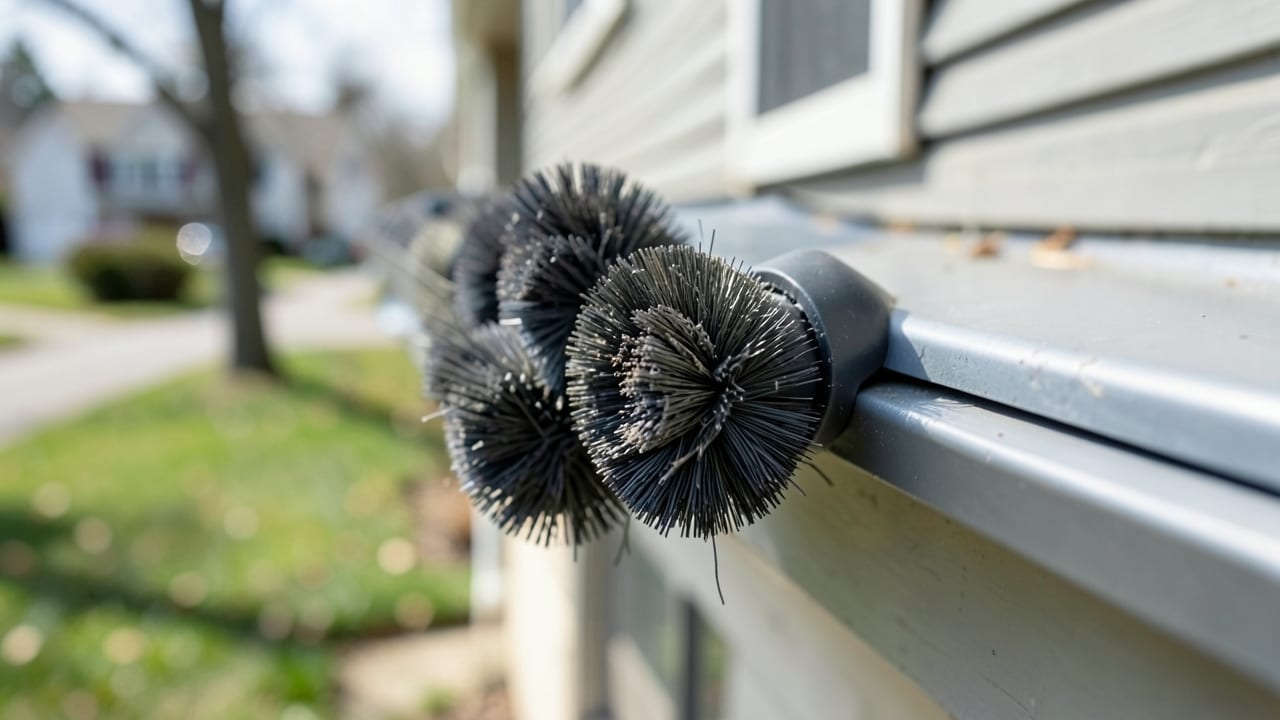
Gutter Brush Guard Installation in Martinsburg, WV
Installation of gutter brush guards to prevent debris buildup and improve water flow.
Learn More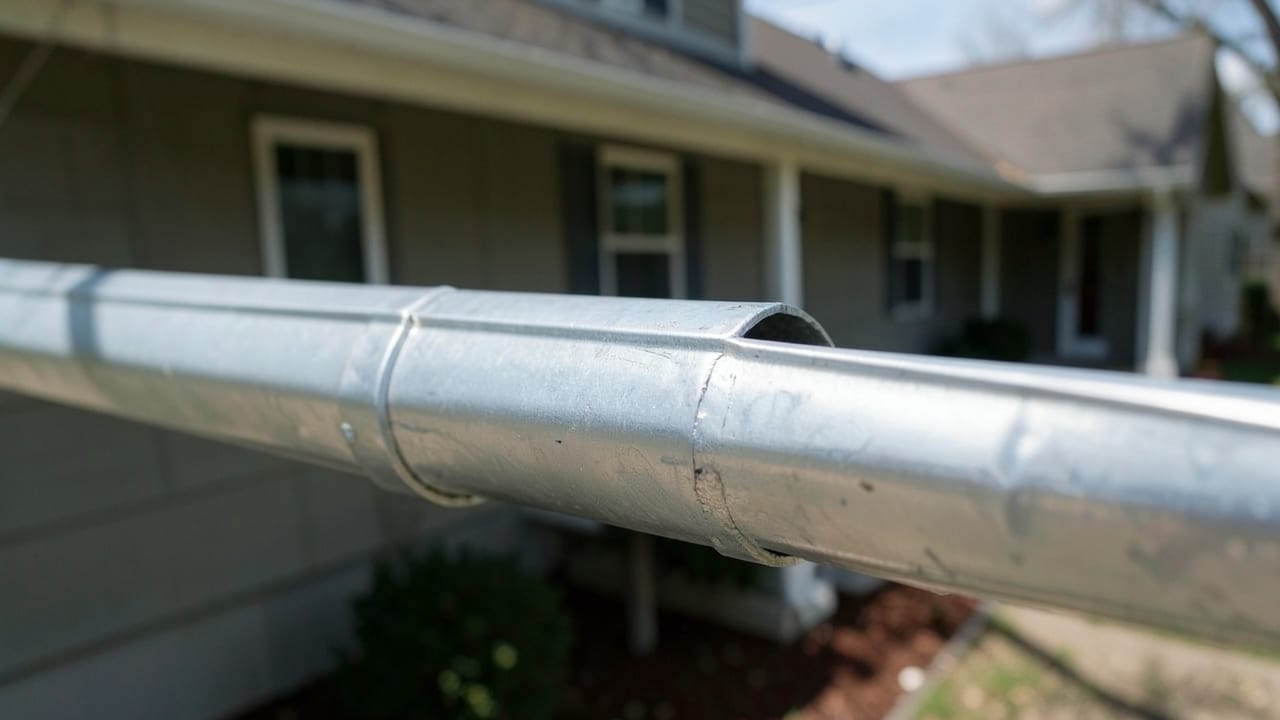
Gutter End Cap Repair in Martinsburg, WV
Repair or replace damaged gutter end caps to prevent water leaks and structural issues.
Learn More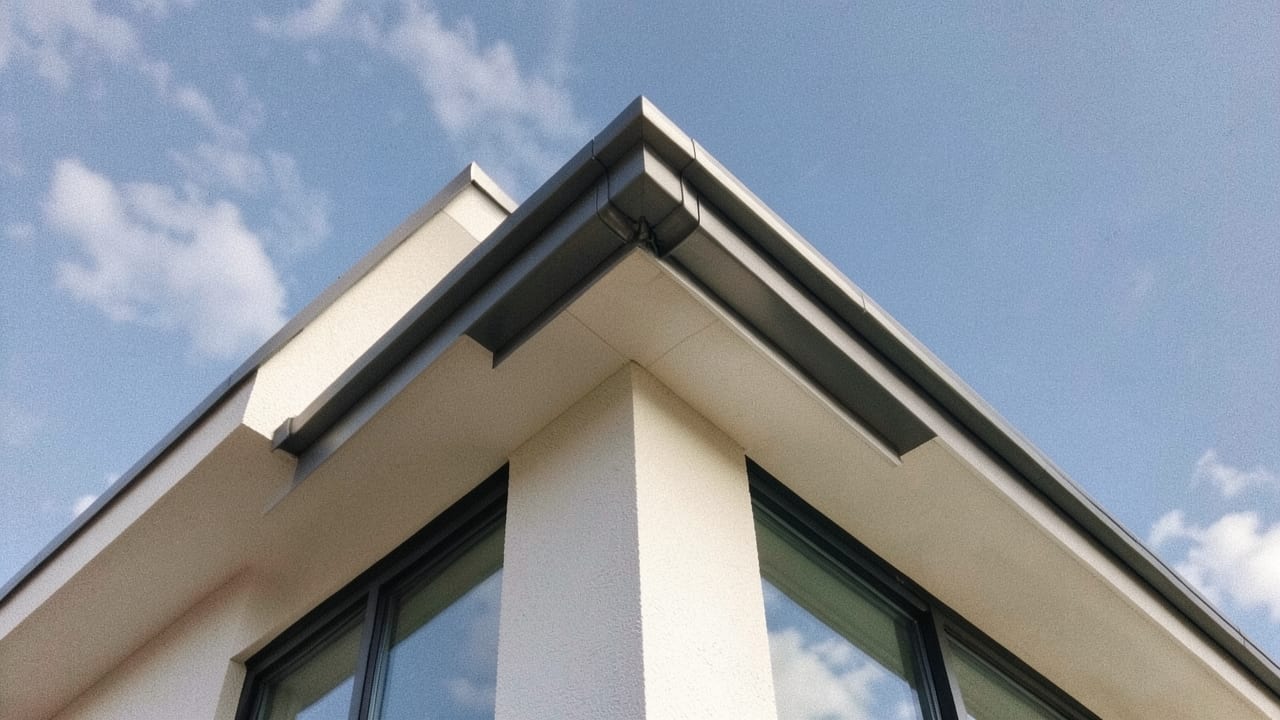
Gutter Miter Repair in Martinsburg, WV
Repairing damaged or misaligned gutter miters to restore proper water flow.
Learn More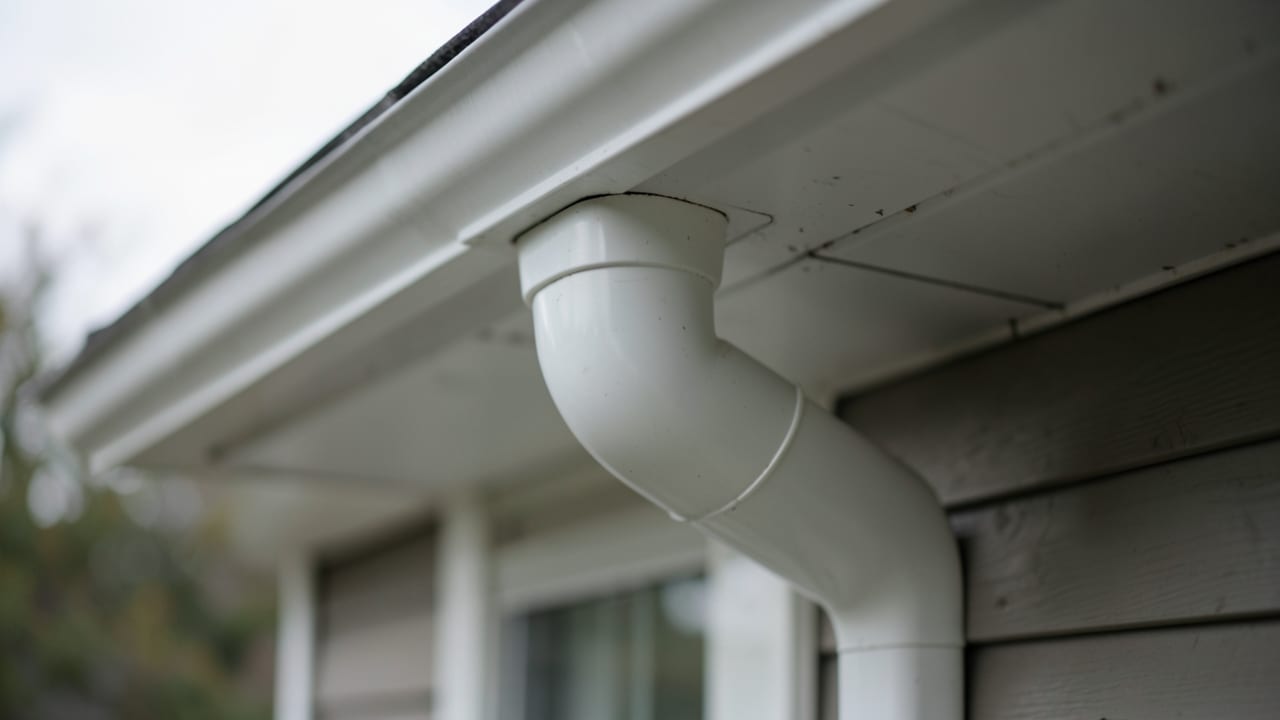
Gutter Elbow Repair in Martinsburg, WV
Repair or replacement of damaged gutter elbows to restore proper water flow.
Learn More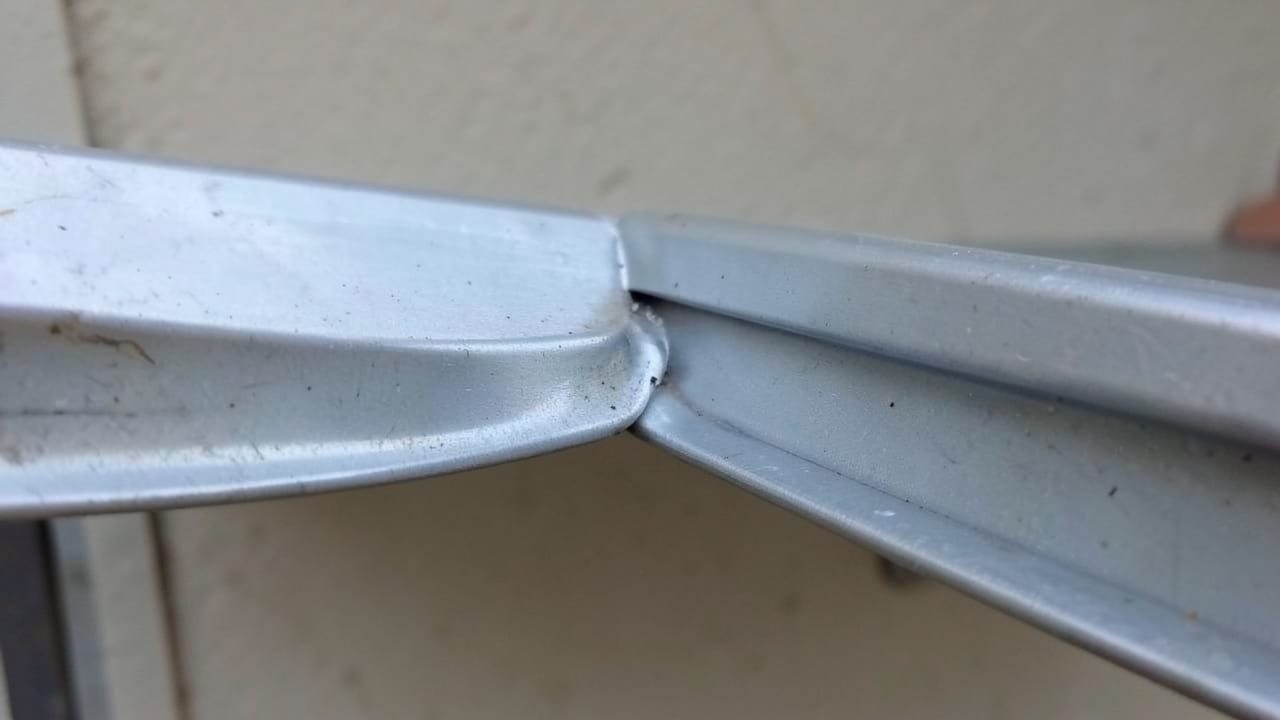
Gutter Seam Sealing in Martinsburg, WV
Sealing gutter seams to prevent leaks and water damage.
Learn More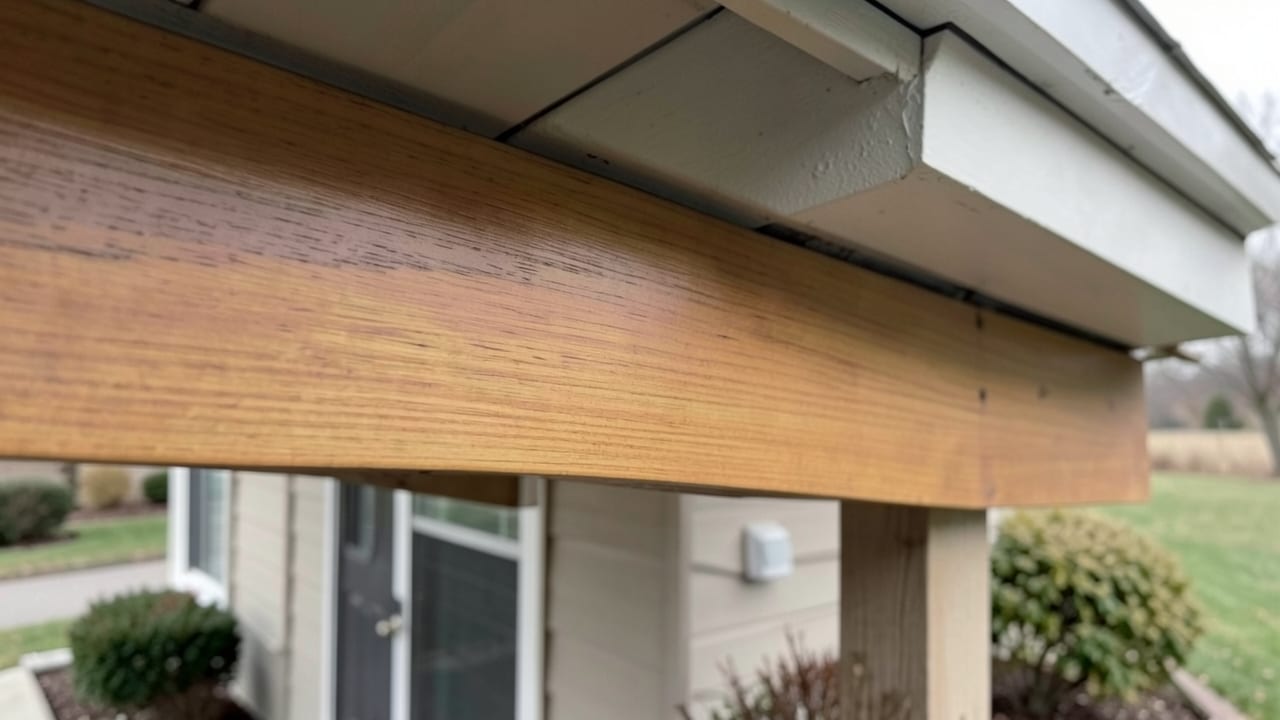
Wood Fascia Cleaning in Martinsburg, WV
Professional cleaning of wooden fascia to remove dirt, mold, and debris, preserving its appearance and longevity.
Learn MoreCommon Questions About Gutter Cleaning in Martinsburg
Everything you need to know about gutter cleaning services in Martinsburg
How much does Salt Corrosion Gutter Treatment typically cost in Martinsburg, WV?
What local factors affect how often gutters need attention around Martinsburg, WV?
What are the signs that gutters actually need attention?
What actually happens if gutter cleaning gets skipped for a season?
Is cleaning gutters a reasonable DIY project?
Does a standard gutter cleaning include the downspouts, or just the troughs?
Need Gutter Cleaning in Martinsburg?
Get a written quote from our Martinsburg crew.
⏰ We answer your call • Serving all of Martinsburg and surrounding areas